

Average Penis Size: Length & Girth​ (Plus How to Measure Correctly)

Most men who look up “average penis size” are trying to answer a simple question: Am I normal? The short answer is that there’s a wide normal range—and pop culture often pushes “average” higher than clinical research supports.

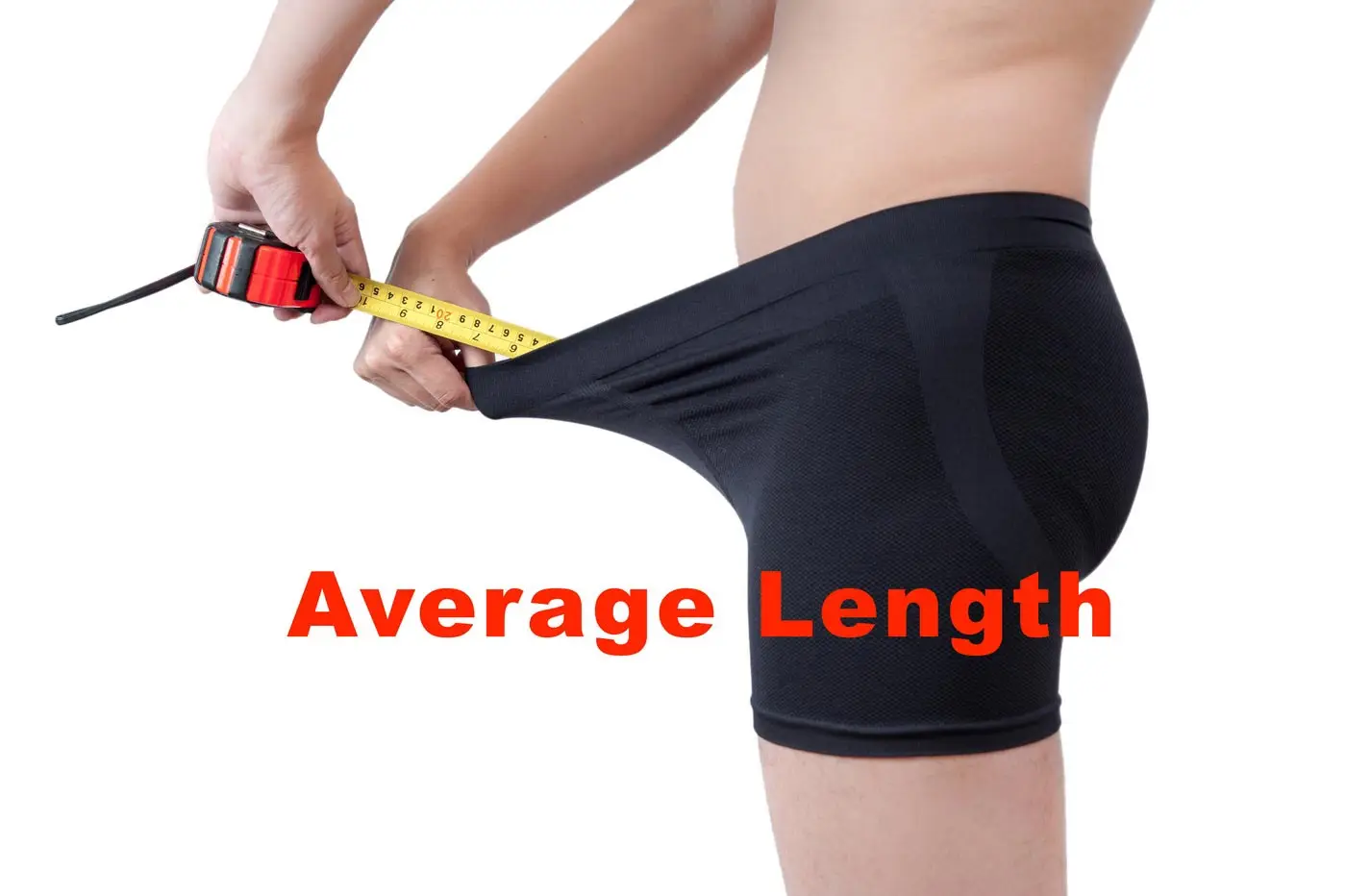
Because studies vary in how measurements are taken (self-measured vs. clinician-measured, erect vs. stretched, technique differences), you’ll see different numbers quoted online. Large systematic reviews and clinical datasets are most useful for understanding realistic averages and normal ranges.

If you’re comparing yourself to others, the most important first step is making sure you’re measuring correctly.

Quick Answer: What’s Average Length and Girth?

  • Average erect length in large clinical reviews tends to land around the low-to-mid 5-inch range, depending on methods and the studies included.
  • Average erect girth (circumference) is often cited around 12.2 cm (4.8 inches) in commonly referenced datasets (including self-measured research).

Note: You’ll see variation across studies because measurement methods differ.

Average Penis Girth Size

“What is average girth size?” The average thickness of a human penis is 4.8 inches or 12.23 centimeters when measured all the way around.

Medical studies all show different results, mostly rooted in patient self-reporting vs. recording data where a health provider got the results. Men visiting or consulting with Rejuvall staff who compare themselves to others (which is very normal) often ask about average size in both thickness and length.

Men want to know what the average penis girth is and measure their width to see where they compare. Men want to be at least an average size or larger. It is important to learn how to properly measure the width and length. Girth measurement should take place with a string or soft, flexible measuring tape around the thickest part of the penile shaft when erect.

Research Data on Thickness Studies

A (2014) study performed by the National Institute of Health[1] (NIH) which included over 1,600 men is often quoted when it comes to average penis size statistics. However, like so many before it, results were derived from “self-measurement”. As most men already know, if a man is ever going to exaggerate about anything, it would be about the size of his phallus.

Rejuvall® chooses to only reference studies and statistics where results were tested and tabulated by clinicians rather than self-reporting. Even those studies have admitted social bias as participants sometimes pushed back on how measurements were performed.

How are such studies able to accurately measure erect penile length? They administer an injectable urologic drug that’s used during penile ultrasound tests called Prostaglandin[1] which automatically triggers an erect state. This drug is also prescribed to men with severe erectile disfynction issues and is also known as “TriMix[2]” (a blend of related drugs) or “penile injections”.

What is considered a thick penis?

A thick penis is considered one that is above average when erect equaling approximately 5 inches or wider. 

[1] Erect penile length and circumference dimensions of 1,661 sexually active men in the United States, Debby Herbenick, et al. J Sex Med. 2014 Jan;11(1):93-101. doi: 10.1111/jsm.12244. Epub 2013 Jul 10.
Intracavernous prostaglandin E1 in erectile dysfunction, LL Neff, Clin. Investig. 1994 Jan;72(2):139-49. doi: 10.1007/BF00184593.
[2] Intracavernous prostaglandin E1 in erectile dysfunction, LL Neff, Clin. Investig. 1994 Jan;72(2):139-49. doi: 10.1007/BF00184593.
[3] Why a combined intracavernosal injection with trimix and oral sildenafil is reliable therapy in the ultrasonographic evaluation of erectile dysfunction, Jong Kwon Park, et al.
BJU Int. 2008 Sep;102(8):993-7. doi: 10.1111/j.1464-410X.2008.07712.x. Epub 2008 May 12. 

Average Penile Length Adult Men Ages 18 and Over

While thickness is critical to many, length is the general measurement used for comparisons of penis size among adult men. When someone asks: “How big are you?”, that query is directly tied to your penile length.

Most men assume the typical length of an erect penis, according to most males, is 6 inches or greater (15.24 cm). This mindset is based in part on numerous well recognized studies that used self-reported measures, with heterosexual males measuring roughly 6.2 inches (15.75 cm) and gay men measuring even more. Thus, the “pop culture” basis for average penis length became six inches over time.

A 2021 study that only drew from 21 different penis size studies where researchers performed measurements, the mean was approximately 5.11 inches (12.98 cm; n = 13,719). Based on these studies, the average length of an erect penis is between 5.1 and 5.5 inches (12.95-13.97 cm), but after taking volunteer measuring bias into account, it is probably toward the lower end of this range. Studies show that a majority of men wish they were larger.

So how long is an average penis? According to the data, the average erect penis length is between 5.1 and 5.57 inches (12.95-13.97 cm), and the lower end of that spectrum is most likely.

Penile Shrinkage with Age and Weight

So far, we have discussed the average size and what size men consider optimal for both confident and performance. We come to a question asked by many of our patients.

Can your penis shrink?

Yes, penile length and thickness change over time. Age 18 or 19 is considered when the penis is usually its largest.

What causes penis shrinkage?  The contributing factors to shrinkage are age, weight gain, and erectile dysfunction.

Knowing why your penis is shrinking is the first step in diagnosing the issue and assessing the best choices for reversing it. Yes, it is possible to stop the shrinkage or even reverse the size reduction. The Rejuvall doctors know how to reverse penile shrinking based upon the diagnosis with significant positive treatment results.

Learn more about penile shrinkage

Micropenis Diagnosis

Micropenis Size

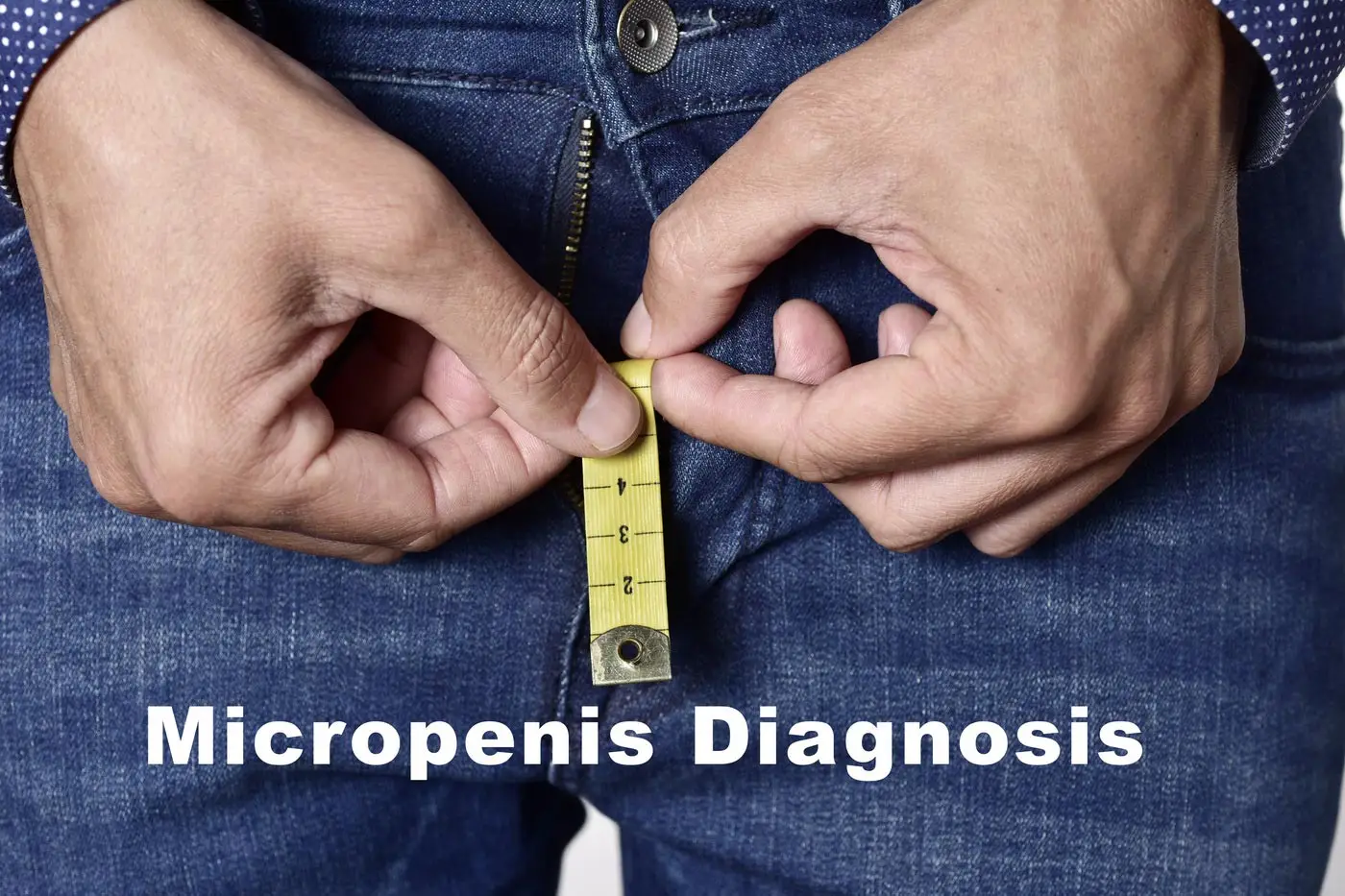
With everyone thinking they are too small what in actuality is the size of a small penis. To be considered a micro penis you must be two standard deviations below the average penis size. An adult male with a penis shorter than 2.8 inches is considered to have a micropenis. While only a small percent of the male population should be concerned with this, having a micro penis is not easy.

Men must keep in mind that everyone is different and flaccid penis length is not always a clear indicator of erect penis length. Many men who have a smaller flaccid size do not have a problem achieving a normal erect length. The size of your erect penis can actually depend on the type of stimulation used for your erection, time between sex, diet, and whether or not you smoke. Starting at birth a flaccid penis measures under 1.57 inches and grows as the life cycle progresses. But as time goes on and a man is still uncomfortable with his size there are other options he can explore.

Average Penile Girth Adult Men Ages 18 and Over

Penis size is a topic that’s been on most guys’ minds since childhood. The peer-to-peer size comparisons start early in places like the locker room, the gym, and in the showers. Men often measure themselves with a flexible measuring tape in both flaccid and erect states to see where they stand against their male peers. This self-evaluation carries over into the bedroom as boys become men with concerns about how a female love interest will evaluate the size of their manhood. When men consider penis size, they often think of length first, although circumference or width can be just as important in sexual intercourse. Men often research what is the best way to achieve a permanent extension or thickening. Elongating and widening a penis permanently is often the best remedy for men who desire enlargements. Inches can be gained in width and length when flaccid or erect, in one procedure. Rejuvall has some of the best penile surgeons in the country.

Am I big enough? Is she going to think I’m too small? This type of distress and concern is all because penis size is equitable to a man’s ego. A lot of his pride is measured by the length and width of his penis. Having to constantly compare and contrast your size to other guys is not easy. Nowadays thanks to the booming pornographic industry and our over sexualized world, penis size is becoming overwhelmingly something that many men want to change about themselves.

Rejuvall provides 33 Different Penis Enlargement Procedures in order to ensure a suitable enhancement for every man regardless of shape, existing penis size and health conditions.

As noted, studies that calculate average size show a wide range for average penile thickness, where self-measurement responses are the basis for reaching the average.

As discussed previously, studies show a wide range for average penile thickness with studies where self-measurement responses were used.

The average circumference or width of an erect penis is 4.8 inches thickness (12.23cm). And in a flaccid state, the average penis circumference is 3.6 inches (9.16cm) in length and has a girth of 3.7 inches (9.31cm). Flaccid state size measurements can vary widely based upon factors such as temperature, man’s weight or obesity, and vascular health.

How Do Men Increase the Thickness of Their Penis?

Surgery and outpatient procedure options are the most effective way to increase penile thickness, unless you have Micropenis or are overweight. Increasing penile thickness in those cases ends up making it appear even smaller.

Whether you feel you are undersized or you simply want to have a larger than average penis size, Rejuvall Men’s Clinics offers effective procedures for maximum size increases.

Suggestions like hormone therapy or Viagra are only helpful if your root cause relates to those potential aspects of erectile dysfunction.

The penis stops growing in both circumference and length when a man completes puberty, generally no later than age 18.

Most women assume the average is six inches based upon pop culture, which leaves lots of men feeling unfairly inadequate at the onset.

Dissatisfied with Penis Size?
Our male clinics can help with both implants and surgery options.

Ask us a question

Penis Size: What Matters to Men?

Flaccid Penis Size vs. Erect Penis Size: Average

Penis size is evaluated in two states: erect and flaccid. An erect penis matters when sex is involved. Flaccid is important for the “everyday confidence” associated with penis size: How is it hanging when walking around the house naked, at the gym, etc. The flaccid state of the penis plays a big role in male self-confidence around both men and women. Penis size, both erect and flaccid, can be compared to how women feel about their breast size. Nobody wants to feel below average. Permanent penis enlargement from surgery results in an increase in both circumference and length, flaccid and erect. The expected gain is 1-2 inches in both thickness and length with our in office surgical procedure.

What is the Average Penis Size Length: Flaccid vs Erect?

What is normal when it comes to penis size? In a study published by The Journal of Urology titled “Penile Length in the Flaccid and Erect States: Guidelines for Penile Augmentation” the average penis size was measured. The mean flaccid length recorded was 3.46 inches and an erect length of 5.08 inches. This may come as a shock because most men believe you must be at least 6 inches to be considered normal. In many studies it has been shown that at least 50% of men are unsure of themselves when it comes to their penis size. With all of this uncertainty there is a trend towards an increase in penis enlargement surgery.

Inquire about our advanced penis enlargement surgery

penile thickness woman blue dress dinner

What women prefer (what research actually shows)

If you’ve ever wondered what women prefer, the most useful way to talk about it is: preferences vary a lot, and “best” depends on the person and the relationship context. One well-known study published in PLOS ONE used 33 different 3D (haptic) models and asked 75 women to select what they preferred in two different contexts: a one-time partner vs. a long-term partner.

The key takeaway wasn’t “bigger is always better.” Instead, the averages women selected were only slightly above typical population averages, and preferences shifted a bit depending on context. In that study, the average preferred sizes were slightly larger for a one-time partner than for a long-term partner (differences were small).

How to use this information in a healthy way: treat size as just one variable in overall compatibility—alongside arousal, technique, comfort, emotional safety, and communication. If you’re thinking about enhancement, the goal shouldn’t be chasing an abstract “perfect number.” The goal should be proportion, function, comfort, and confidence—because what matters most in real relationships is how well two people fit together, not what a chart says.

Source note: “Women’s Preferences for Penis Size: A New Research Method Using Selection among 3D Models,” PLOS ONE (2015).

penile thickening surgery results

Does Penile Length or Girth Matter Most to Women in Sexual Satisfaction?

Studies show that girth is more important than length when it comes to female pleasure. In a survey conducted by the University of Texas-Pan American, 50 sexually active female undergraduate students were asked which felt better, was penis width or length more important for their sexual satisfaction. 45 out of 50 (90%) of these sexually active women responded that when it comes to sexual satisfaction, penis width was more essential than length. None reported they did not know, or that width and length were equally satisfying. The reason these women felt width was more important was unknown to them, but it is likely related to clitoral stimulation that occurs with a thick shaft when a having sexual intercourse

Among the women who claimed penile length was “essential” or “very important” for good sex, 85% also emphasized the relevance of girth in the Dutch study mentioned previously.

A new study finds that women who have frequent vaginal orgasms are more likely than other women to say they climax more easily with men with larger penises. Women who tend to prefer penile-vaginal intercourse over other types of sex also say the same, researchers reported online in The Journal of Sexual Medicine.

Women over the age of 35 years old were more concerned with added thickness than younger women.

Clearly, girth appears to matter most when it comes to female pleasure.

“Male anxiety about penis size may not reflect internalized, culturally arbitrary masculine stereotypes, but an accurate appreciation that size matters to many women — just as men feel legitimate anxiety when they enter the mating market about their intelligence, personality traits, sense of humor, social status, height, wealth, and other traits known to be favored by women across cultures,” study researcher Stuart Brody, a psychologist at the University of the West of Scotland, told LiveScience.”

Penis Inches Circumference vs Length

The width and girth of the penis refers to the circumference of the penis. Girth enhancement refers to a thickening of the width of the penis, or an increase in penile circumference.

At Rejuvall, we don’t make you choose like other male clinics do– you can get both length and width with our wide variety of procedures!

Penis Size: Survey of women’s perceptions of sexual satisfaction

Test Procedure

To test the notion of the possible importance of length inches and width in sexual satisfaction for women, a study was performed by researchers at the University of California. The study looked at women’s preferences for size and found that for one time encounters they preferred a slightly larger length and thickness to a long-term partner in which they preferred a slightly smaller length and width. A second study interviewed 50 women on their preferences and found that thickness mattered more than length in sexual satisfaction. The results and details are listed below.

Study Results Penile Size – Inches Satisfaction

In the second study, the women college students questioned ranged in age from 18 to 25 years old. In person or via telephone, the females were asked “In having sex, which feels better, length of penis or width of penis?” In half the cases, the word “width” was used before the word “length,” but there were no order effects. There were also no effects for telephone vs. personal interview. All female participants answered the question, perhaps because they personally knew the student asking the question.

[1] Journal of Sexual Medicine, (D. Herbenick, . Reece, V. Schick, S. Sanders) Epub 2013 Jul 10

Circumcised vs. Uncircumcised Penises: Does it Matter with Penis Enlargement?

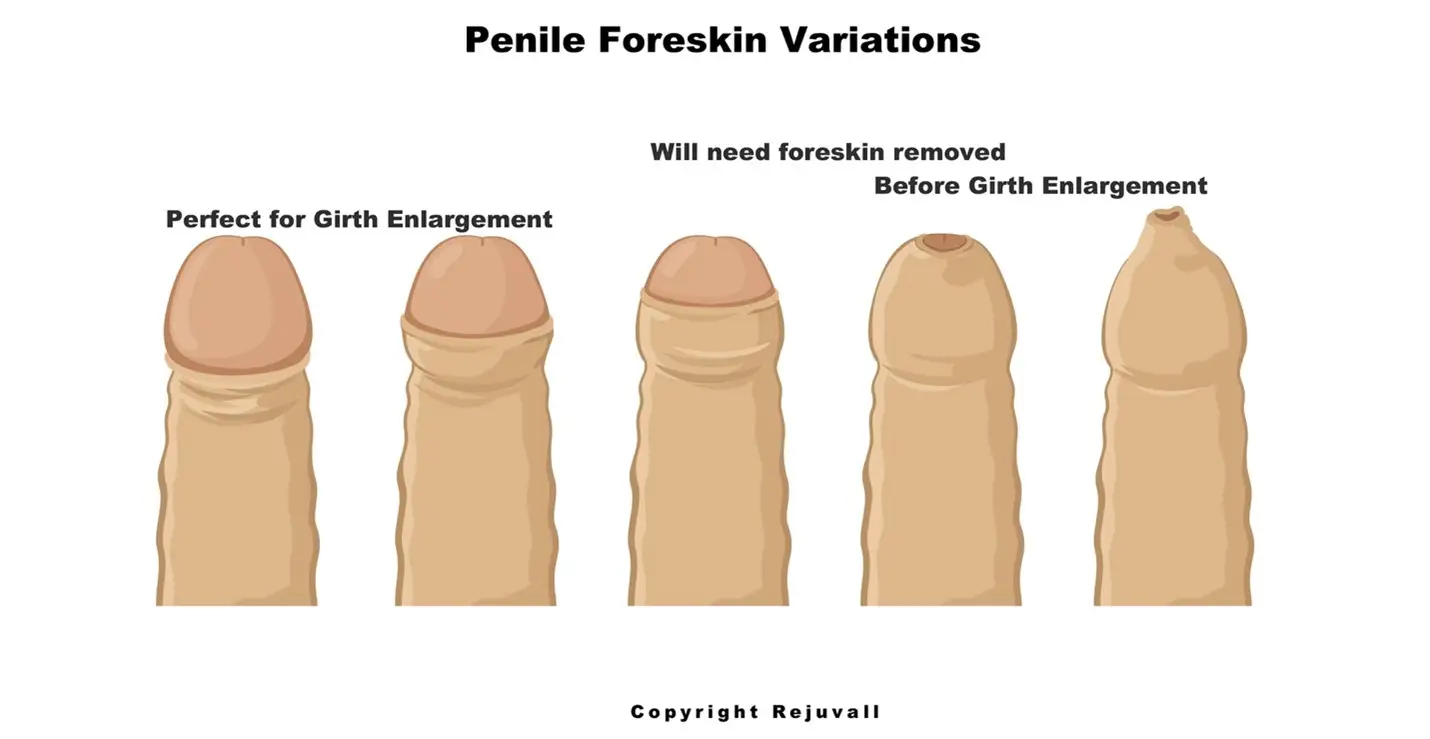
The foreskin is a retractable layer of skin that covers the penis head/glans of men’s penises.

Male circumcision is a medical surgery that removes the foreskin from the head of the penis. It is most typically performed shortly after birth. Uncircumcised men account for 62 percent of the male population worldwide. In the United States, however, over 80% of men are circumcised.

The glans is always visible since circumcised penises no longer have a foreskin. The glans is frequently covered by the foreskin of an uncircumcised penis, especially when the penis is flaccid.

thickest penis pic

Phimosis is a condition in which the foreskin is unable to retract over the glans hood in uncircumcised men. This might result in irritation as well as infection, requiring medical attention.

Any type of penile thickening requires a circumcision three months before the girth enhancement. Unfortunately, circumcision and length or girth expansion cannot be done at the same time. If a penis is thicker while uncircumcised, the risk of contracting phimosis doubles 400%. Circumcision is not required for length-only patients unless they wish to be circumcised.

Infant circumcisions can sometimes cause girth enhancements to recover more slowly (20% of cases), especially with surgical girth enlargements.

Potential healing delays from circumcisions performed just after birth

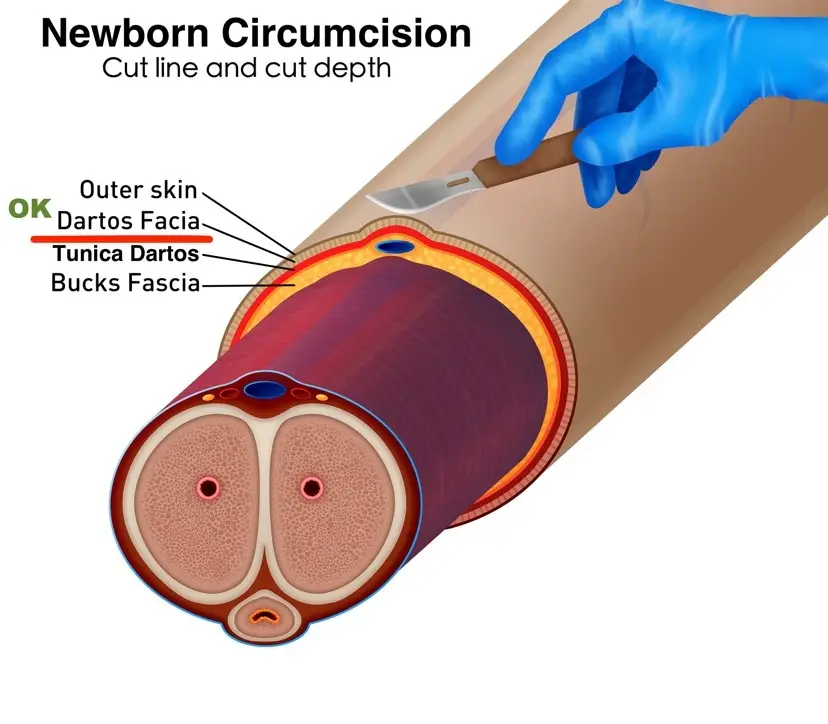
Most circumcisions are performed just after birth by the delivering physician. For the sake of speed, infancy circumcisions are performed by pulling the foreskin back away from the glans and cutting away the excess skin along the penile shaft.

Looking down at your penis when flaccid or erect you will notice a “lighter” toned skin coloring in the area closest to the glans (head) of your penis if your circ was performed just after birth. This is called the “inner prepuce”, it’s a less dense and less durable dermis than typical penile shaft skin since it was previously situated beneath the outer foreskin before that was trimmed away.

The Issue: A Hidden Scar Line

Anytime an incision is made into the epidermis, a scar forms during healing. With deep incisions, the scar often remains visible upon the outer skin. With minor incisions like those performed during an infant circumcision, the scar becomes invisible, but it remains beneath the skin.

None of this mattered until the advent of penile girth enlargements. The prepuce skin in the distal portion of the penile shaft has no impact on sexual performance or sensitivity.

We discovered that infancy circ scar lines slow the healing process in about 20% of patients getting a penile girth enhancement. The degree of recovery delay is based upon how deeply the delivering physician cut into the tissue surrounding the penis organ when performing the circ.

Unfortunately, an infant circumcision cannot be reversed and there’s no way for us to appraise the depth of the original incision prior to an enlargement.

Thus, it’s something we’ve learned to navigate during girth enhancement procedures, but it sometimes requires patience and dedication on the part of the patient with following prescribed aftercare techniques or follow up visits at our clinic.

Circ Scar Line: Three potential sources for delayed healing

1.  Blocked lymphatic drainage
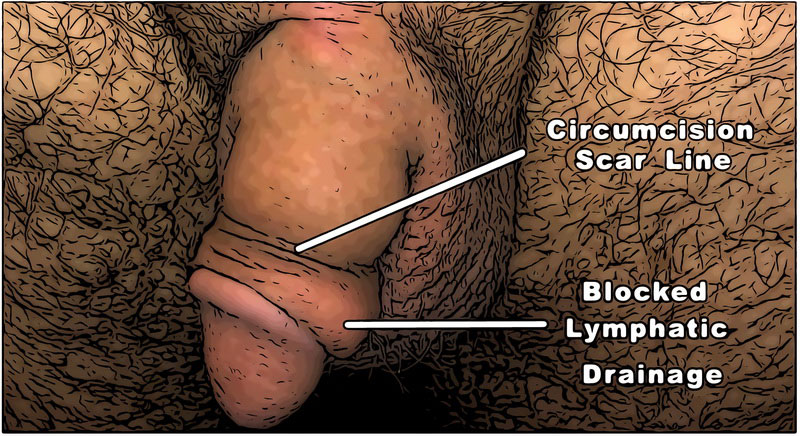
The most common impediment to healing from an infancy circ is when the residual circumcision scar line is substantial enough to create a barrier that inhibits post-surgical swelling fluids from readily exiting the area behind the circ scar line. Basically, the scar line blocks the lymphatic drainage necessary for healthy healing.

This condition will usually manifest with what looks like a “pinched” narrow line around the penile shaft between the circ line and the glans. Residual trapped fluid from swelling that can’t effectively get reabsorbed into the body, will often resemble a thick neck area around the glans.

Complications with non-surgical enhancements from a heavier circ scar line are usually easier to resolve than surgical thickening procedures due to the simple fact there’s less swelling involved in non-surgical procedures. It’s also why we remain emphatic about starting with 10ML of the chosen dermal filler, so we can first condition the inner prepuce during the first treatment. This is particularly true with Ellansé since the polycaprolactone (which triggers an inflammatory response that creates long lasting level III collagen) can trigger significant swelling when used in larger amounts.
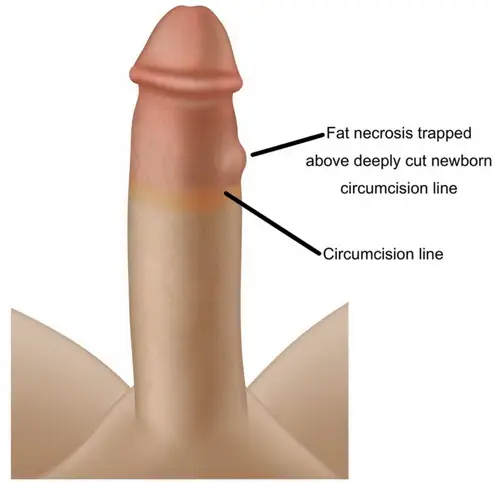
2.  Circ Scar Line: Fat necrosis trapped behind scar line

A Fat Tissue Transplant is performed exactly as it sounds.  Healthy, living adipose fat cells are harvested from a select location and transplanted to the outer layers of the penis to make it naturally thicker.

We harvest “extra” fat cells in anticipation of the fact some of the transplanted fat cells won’t survive the relocation process (We typically lose between 30%-35%).

Dead fat cells located beneath the circ scar line are usually easily reabsorbed into the body. However, fat cells that expire in the area above the circ scar line sometimes get trapped and can’t easily reabsorb and turn into palpable nodules known as fat necrosis (dead fat cells).

penile girth enlargements circumcision

3.  Lack of blood flow within the inner prepuce

The residual scar from an infant circumcision doesn’t just hinder swelling fluids from existing the penis in a healthy manner, it also sometimes (when the incision was cut more deeply and penetrated the Tunica Dartos or Bucks Fascia) doesn’t allow any blood to flow within the inner prepuce, meaning that transplanted tissue with an FTT can’t absorb any nutrients required to stay alive.

As discussed previously, we transplant living adipose fat cells to the outer layers of your penis with an FTT. If those transplanted cells can’t access essential nutrients for survival because the capillaries were cut during an infant circumcision, those transplanted cells will likely die.

Unfortunately, since the scar is not outwardly visible, we’re unable to differentiate which men will face significant complications from a circumcision scar in advance of an enlargement procedure.

Resolving healing issues from infancy circumcision scar lines

Rejuvall provides both at-home and in office solution pathways for disrupted healing triggered by a deeper than usual infancy circumcision scar line.

Please follow the instructions of your provider to help with healing and make time for in-office follow up appointments if requested.

What Size Penis Requires Enlargement?

Rejuvall© is the nation’s longest running men’s sexual health clinic. We’ve forgotten more about enhancing male performance than most new “cutting edge” men’s health services will ever know.

We observed that wanting a penis enlargement isn’t necessarily about existing penis size for some men. There are various causes for this need. What are the most common reasons men inquiring about penile enhancement options with Rejuvall? They are numerous; however the following are the most common:

Gaining Weight

Increased weight can cause the penis to appear smaller due to an engorged fat pad and inner pressure where the penis is permanently tethered to the pelvic bone, pulling it inward.

Genetically Smaller

Genetics determines the size of the penis. Some guys are born with a smaller unit than others and spend their lives feeling insecure as a result. We can now correct this.

The Vagina of Your Partner Has Gotten Bigger

Because of aging and childbearing, the average vagina grows 20 percent to 50 percent broader, yet a man’s penis shrinks with age. This is a common reason men seek augmentation.

Medical Conditions

Penile damage (Peyronie’s Disease), prostate and cancer diagnoses, and pharmaceutical side effects are just a few of the various health-related adverse effects that might result in reduced size and a desire for enlargement.

Sexual Partners’ Commentary

A sexual partner’s ill-advised comment about a man’s penis size can have disastrous effects for men. Reduced self-esteem caused by such criticism can even lead to celibacy or ED. Many guys who have dealt with this seek an enlargement to fix the situation.

Pornography Viewing

Many men compare their own units to men in pornographic movies. This, in our opinion, is an unhealthy motive for seeking augmentation. The men in these movies are always much bigger than average, and the females gushing about how much pleasure it brings them are actors.

An augmentation makes sense if your penis size has been a source of negative self-image or if your partner’s changed size is inhibiting pleasure. However, attempting to create a “porn star dick” is never a healthy reason for enlargement.

How to Measure Penis Girth (Circumference) Correctly

Use a soft, flexible measuring tape (or a string you can measure against a ruler). When fully erect, wrap the tape around the thickest part of the shaft. Record the number where the tape meets itself. For consistency, measure more than once on different days and use the average.

How to Measure Penis Length Correctly

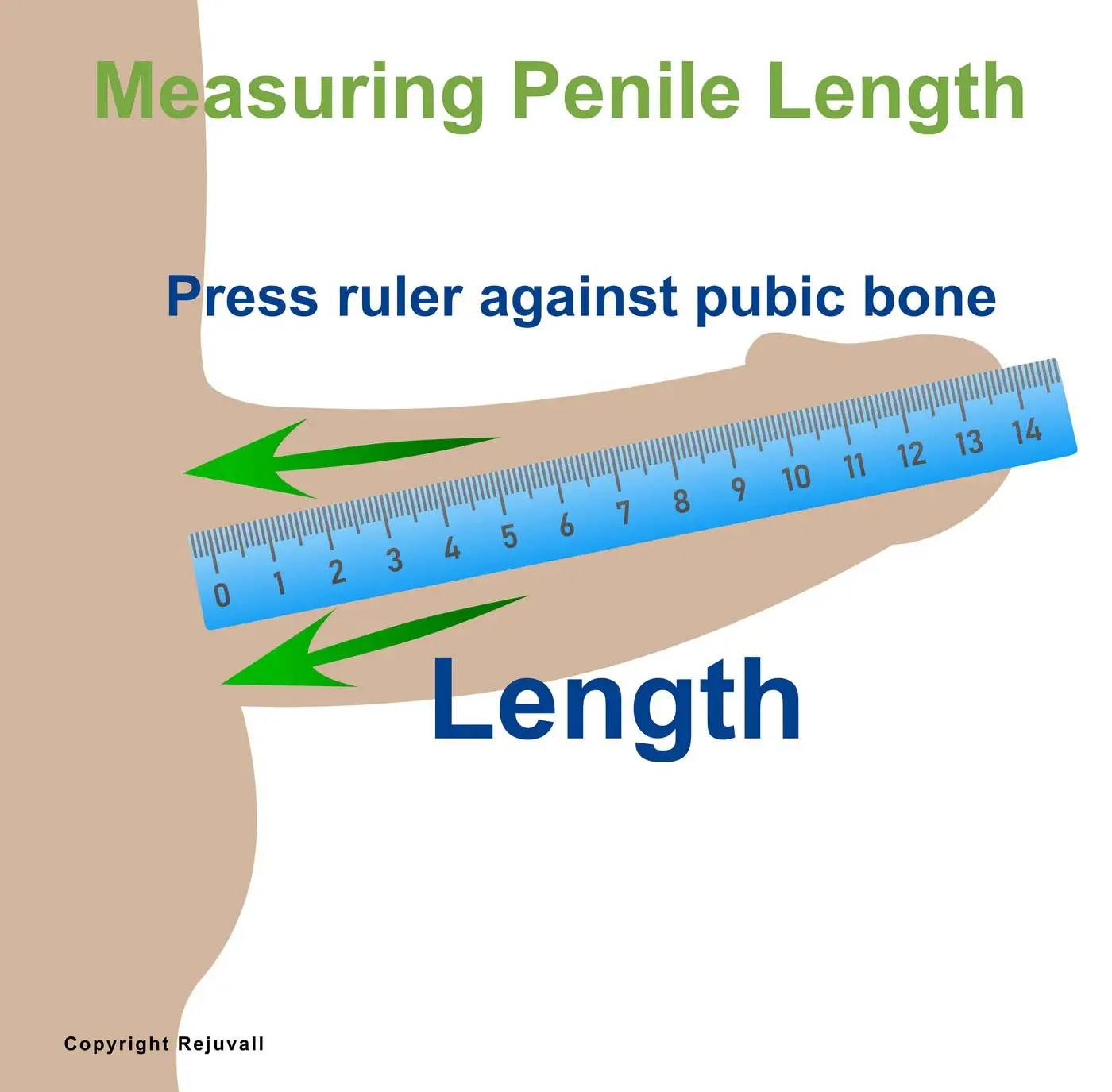
Use a firm ruler. When fully erect, measure from the top side of the penis (not underneath). Press the ruler to the pubic bone at the base and measure to the tip. This “bone-pressed” method is commonly used in clinical research because it reduces the distortion from body fat at the base. The length that matters most during intercourse may be slightly different, but bone-pressed length is best for apples-to-apples comparison.

Why And How Does Flaccid Penis Size Change?

Your flaccid penile size is never constant.

One reason we’re not a big fan of measuring penile flaccid size as an aspect for comparison of size is that this metric changes often and can be affected by a wide range of outside influences.

Here we explain the factors which impact the size of your flaccid penis.

The Ambient Temperature

In cold weather, a non-erect penis is often smaller than usual, as blood vessels constrict to help keep your body warm. Consider the cooler rooms in your home where you might keep the door closed and the HVAC vents shut to save money on utilities.

The size of the non-erect penis can be increased in hot weather because blood vessels enlarge, and blood flow is boosted throughout the body.

Arousal and its Impact on Flaccid Penis Size

Studies show men usually have some form of sexual thought every ten seconds. The most exciting thoughts often trigger an influx of blood. 

Any degree of arousal triggers a longer thicker penis in the flaccid state.

Smoking Cigarettes

Need another incentive to quit smoking? Smokers are up to twice as likely as non-smokers to experience some form of erectile dysfunction.

Smoking has been demonstrated to hinder vascular blood flow and perhaps also reduce sexual arousal. It’s also indicated to impact the release of brain neurotransmitters and the inhibition of nitric oxide release to the penile tissue.

Your Age
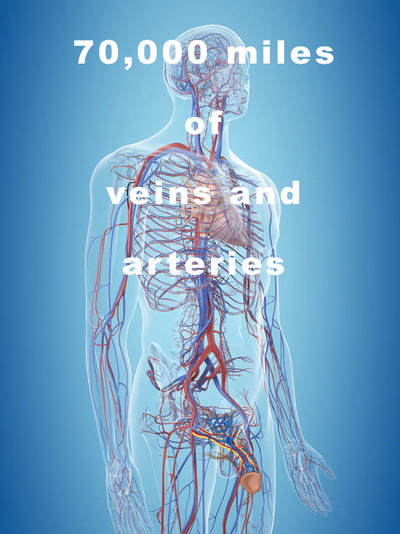
Every human body has roughly 70,000 kilometers of veins and arteries. To put that in perspective, if you joined them all together, it would take you one and a half times around the earth! Most males are only using around 20% of their network by the time they reach the age of 70.

After the age of 40, every new birthday cake tends to make your penis appear smaller due to a combination of reduced testosterone levels and age-related vascular health loss.

Arteriosclerosis is a disorder in which fatty deposits obstruct your arteries. Most men are aware of how clogged arteries can cause a heart attack, but few realize that the same situation can cause blood flow problems in the erect and flaccid penis.

Stress & Fear

When a guy is afraid, he has a natural “release valve” that allows the engorged blood of an erection to escape. While its original purpose was to allow early males to rapidly and easily defend themselves if assaulted during sex, it now mostly affects modern men who fear their erection might fail, creating ED unintentionally.

Severe stress has a similar effect. Any blood that enters the penis is promptly expelled.

Your Body Weight

Because your penis is attached to the pelvic bone deep within your body, it often draws inward if your lower abdomen expands significantly due to fatty tissue. Increased weight also collects in the supra pubic fat pad, which is located directly above where the penis emerges from beneath the pelvic bone. The penis seems smaller when that area grows larger.

Finally, when the vascular system is overworked, blood flow into the penis is reduced, resulting in a smaller flaccid penis.

A Bent Penis During Erection

When the penis is injured fibrosis is triggered and it increases over time. Following an acute penile injury, this process occurs swiftly. However, the majority of cases arise “out of nowhere” as a result of a lifetime of constant microtrauma and when the patient’s vascular health deteriorates with age.

Fibrosis in the soft tissue of the penis not only causes curvature during erection, but it also prevents blood flow in the flaccid state.

Erectile Dysfunction Symptoms

You may have heard that erectile dysfunction affects 20 to 30 percent of males. That figure is misleading because it’s an estimate of how many men now experience ED symptoms.

If they live long enough, every man will develop ED. Symptoms usually begin in the 40s and become much more common in the 50s and early 60s.

In and of itself, ED is not a diagnosis. Rather, it’s a symptom of one of the five primary causes of ED. Unfortunately, by the time they seek treatment, 72 percent of men have more than one of the five problems.

Because ED reduces blood flow to the penis, it affects flaccid penis size.

Medications

Certain pharmaceutical drugs can make your penis appear smaller than it is.

Due to vasoconstriction in the penile blood vessels, dextroamphetamine, which is often used to treat attention deficit disorder, as well as certain antidepressants, might impair genital sensitivity and produce diminished sexual function.

Other medicines have the side effect of producing ED, which results in a smaller flaccid penis.

FAQs: Average Penis Size, Measuring, and What Matters

Across large clinical datasets where researchers measured men (not self-reported), the average erect length is about 13.1 cm (5.16 in).

In the same type of measured datasets, the average erect circumference is about 11.7 cm (4.59 in).

Because studies vary in:

  • How measurements are taken (self-measured vs clinician-measured)
  • Whether length is measured bone-pressed or not
  • The sample population (age, geography, health, and selection bias)
  • Whether “erect” is natural vs medication-induced in clinical settings

The cleanest comparisons come from clinician-measured data and consistent methods.

For the most apples-to-apples comparison with clinical research:

  1. Measure when fully erect
  2. Use a rigid ruler
  3. Place it on the top side of the penis
  4. Measure from the pubic bone to the tip

Bone-pressed measurement reduces the “fat pad” variable that can hide part of visible length.

Use a soft measuring tape (or string + ruler). When fully erect, wrap it around the thickest point of the shaft, then record the circumference.

Flaccid size is highly variable and commonly changes with:

  • temperature
  • stress/anxiety
  • arousal level
  • exercise and blood flow
  • weight and fat pad changes
  • erectile function and vascular health

That’s why flaccid comparisons are usually a poor way to judge “normal.”

“Above average” simply means above the mean—but that doesn’t automatically mean it’s clinically meaningful. A better way to think about it is: Most men cluster around the average, and there’s a broad normal range. If you’re close to the averages, you’re well within typical human variation.

Visible size can decrease over time for a few common reasons:

  • Weight gain increases the suprapubic fat pad, which can hide part of the shaft externally.
  • Reduced erectile quality (vascular health, testosterone changes, medications, etc.) can reduce firmness and perceived size.
  • Tissue changes/scarring from conditions like Peyronie’s disease can affect shape and function.

If size loss is new or worsening, it’s worth a medical evaluation—because the cause often isn’t “just aging.”

“Micropenis” is a medical diagnosis based on stretched penile length, not flaccid appearance or anxiety about being “small.” A common clinical definition is a stretched penile length that is ≥2.5 standard deviations below the mean for age; one reference lists an adult cutoff around 7.5 cm stretched length.

There isn’t one universal preference. In a frequently cited PLOS One study using 3D models, women’s selections varied, and preferences differed depending on whether the context was short-term vs long-term. The key takeaway is variability—not “bigger is always better.”

A realistic, medically safe way to frame this is: comfort, arousal, trust, and compatibility tend to matter more than chasing an extreme number.

No. There’s no good clinical evidence that over-the-counter pills, gummies, or creams create permanent penile length or girth increases. If something claims “permanent enlargement without a medical procedure,” it’s a red flag.

A safe plan starts with a medical evaluation—because penile anatomy involves erectile tissues, nerves, and blood flow. In general, urology-led pathways may include:

  • physician-directed traction protocols (for select goals/diagnoses)
  • non-surgical girth options (when clinically appropriate)
  • surgical options for qualified candidates
  • treatment for underlying causes of “lost size” (fat pad anatomy, erectile dysfunction, Peyronie’s disease, etc.)

The most important safety variable is who performs the procedure and how the tissue is managed long-term—not marketing promises.

In general, penis enlargement is not covered by insurance because it’s considered elective/cosmetic. (Separate medical conditions—like urinary obstruction, severe buried penis pathology, or reconstructive needs—are a different category and depend on diagnosis and payer rules.)

Considering Enlargement or Restoring Lost Visible Size?

If size concerns are tied to weight gain, aging, erectile function changes, Peyronie’s disease, or a buried/hidden appearance, the right “solution” depends on anatomy and diagnosis—not guesswork.

At Rejuvall, evaluation and enhancement planning is performed within a urologic medical framework to protect sexual function, sensation, and long-term safety. If you pursue treatment, keep in mind: penis enlargement is considered cosmetic/elective and is not covered by insurance.

Scroll to Top