

When researching Penuma® implant before and after outcomes, it’s important to look beyond comparison photos alone. While images may show surface-level changes, they do not fully explain how the implant interacts with penile anatomy over time or what outcomes may occur if complications develop.
This page is intended to help men understand what should be considered before undergoing a Penuma® implant and what medical realities may exist after, including known risks associated with any surgically implanted device. The goal is education—not promotion or criticism—so patients can make informed decisions.
Penuma® is one of the most visible brands within cosmetic urology, largely due to its extensive marketing and public awareness. Based on available company materials, the procedure is often pursued by men seeking increased girth, improved aesthetics, and enhanced self-confidence.
While many men report positive outcomes, we believe it is crucial to understand the risks and potential complications that may arise before and after the procedure, including concerns discussed in investigative reporting published by ProPublica and The New Yorker.

At Morganstern Rejuvall Health Centers, one of our specialties is treating complications that can occur after penile enlargement procedures, including Penuma® implants.
Following is a summation of what many of the Penuma® patients we’ve helped stated they wished they’d looked into before getting such a procedure.
Why Men Get a Penuma® Implant
Let’s start at the beginning; why do men opt to get a Penuma® implant for enlargement? The majority of men we’ve treated stated the “the only FDA-cleared enlargement implant” was a big reason for pulling the trigger.
Almost all were driven by a desire for improvement in penile aesthetics, hoping for increased girth and improved self-confidence.
Most individuals felt dissatisfied with their natural size, while a few were seeking enhancement following an injury or medical condition that affected their penile structure.
The Penuma® implant procedure involves inserting a soft silicone implant beneath the penile skin. Marketed as a permanent enlargement solution, it is designed to enhance girth without affecting function.
However, like any surgical procedure, there are risks, and the Penuma® implant before and after results can vary significantly between patients.
Some men experience enhanced self-esteem and improved intimacy, while others may face complications that require additional medical intervention, sometimes substantially.
Many patients report confusion regarding regulatory terminology. While most surgical procedures themselves do not require FDA approval, implanted medical devices are subject to specific regulatory pathways. Understanding the distinction between procedural clearance and device regulation is an important part of informed consent.

Additionally, all stated they were not made aware of the likelihood of them ending up smaller than when they started if the implant was subsequently removed because of complications or dissatisfaction.
Potential Complications After a Penuma® Implant
Despite the promising benefits, some men experience complications following this procedure. Based on our experience in penile repair and enhancement following a Penuma® procedure, we have identified three primary categories of post-Penuma® issues:
1. Scar Tissue and Lost Penile Length
Based upon our experience, one of the most common complications following a Penuma® implant is the buildup of scar tissue, particularly at the base of the penis. This can lead to penile shortening, making the implant counterproductive to its original purpose.
Unfortunately, when scar tissue accumulates, surgical intervention is almost always required to remove it and restore penile function and length.
Some patients report assuming penile implants behave similarly to other cosmetic implants. However, because the penis is a highly vascular functional organ, tissue response and scar formation can differ significantly.
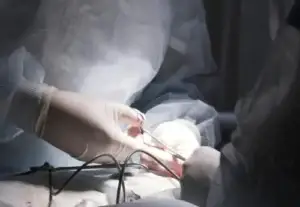
Scar tissue forms as part of the body’s natural healing process, but excessive scarring can create a variety of negative outcomes.
A majority of men we treated reported the scar tissue resulted in lost penile length. A few reported pain during erections from that outcome. Several faced issues with erectile dysfunction.
As with any medical device implanted into the body, the formation of a capsule of scar tissue around the implant is a natural part of the healing process.
This phenomenon is well-documented across many types of silicone implants, including breast and facial implants, and is sometimes referred to as “capsular contracture.”
Capsular contracture occurs when the thin layer of scar tissue surrounding the implant contracts or thickens more than expected.
In most cases, this tissue remains soft and flexible. However, in some individuals, it can tighten or harden over time, potentially resulting in:
- Distorted shape or asymmetry
- Loss of natural movement
- Pain or discomfort
- Changes in sensation
It is important to note that capsular contracture is a known risk associated with any foreign material placed within the body.
For this reason, thorough post-operative monitoring and regular follow-ups with a qualified medical professional are essential for early detection and treatment.
At Rejuvall Health Centers, we have treated several men experiencing discomfort or deformity related to implant capsule formation.
In some cases, intervention may involve non-surgical therapies; in others, corrective surgical procedures (such as capsule removal or revision) may be necessary to restore function and aesthetics.
If you suspect capsular contracture or any other complication after receiving a Penuma® implant, we strongly recommend scheduling an evaluation with a reconstructive urologist to determine the best next steps based on your individual circumstances.
If you are a patient who has undergone a Penuma® implant and noticed a reduction in your size, we recommend consulting an experienced reconstructive urologist to determine your best course of action.
2. Peyronie’s Disease and Fibrous Plaques
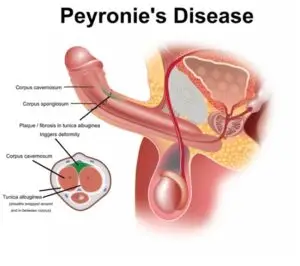
In a few cases we treated after a Penuma® implant, men had developed Peyronie’s disease. Peyronie’s is a condition characterized by fibrous plaques forming in the soft tissue of the penis.
These plaques can cause symptoms such as curvature when erect, pain, and significant loss of penile length. At our clinic, we specialize in treating Peyronie’s disease, as restoring lost size and function is a cornerstone of our expertise in cosmetic urology.
One of the most severe Penuma® cases we encountered involved a young man who developed multiple fibrous plaques following his Penuma® implant removal.
When he sought help and guidance to correct the issue, he claims his original surgeon provided him with a penis pump and stretching device, claiming that would resolve the issue. Unfortunately, Peyronie’s disease repair is a lot more complicated than using a penis pump and traction device.
Peyronie’s disease can significantly impact a man’s quality of life, leading to painful erections, difficulty engaging in sexual activity, and a reduction in self confidence that far exceeds those experienced by men who feel they are smaller than average.
Peyronie’s treatment options vary depending on the severity of the condition but may include:
- Non-surgical treatments such as collagenase injections to break down plaques
- Surgical intervention for severe cases requiring excision and/or grafting
- Rejuvall’s new ExoSurge technology, which is clinically proven to break up fibrous plaques associated with Peyronie’s without surgery.
3. Infection and Severe Tissue Damage
Infection is another significant risk factor associated with a penile implant enlargement. Infections typically occur shortly after the implant is placed, leading to swelling, pain, and in severe cases, tissue necrosis.
The worst outcomes arise when an infection occurs, and instead of proper treatment, a new implant is inserted. This cycle of repeated infections can result in catastrophic damage.
One of the most devastating cases we treated involved a patient who underwent 3 separate Penuma® implant surgeries, each following an infection.
Eventually, his penile shaft became completely necrotic, requiring a penile shaft transplant using donor tissue from the inner thigh. This level of reconstructive surgery is extensive and requires significant recovery time.
If you experience signs of infection after your Penuma® implant, such as:
- Redness and swelling
- Persistent pain
- Foul-smelling discharge
- Fever or chills
It is crucial to seek immediate medical attention. Prompt treatment can prevent severe complications and improve the chances of a full recovery.
What to Expect Before and After a Penuma® Implant
Before the Procedure
Before undergoing an enlargement procedure, including a Penuma® implant, men should have a thorough consultation with a qualified urologist. During this consultation, it’s important to discuss:
- The expected results and realistic outcomes
- The risks and potential complications
- Whether you are a good candidate for the procedure
- The post-surgery recovery process
- What are the costs and complications associated with the removal of the implant for any reason
Proper screening helps prevent complications by identifying potential risk factors such as pre-existing conditions that could increase the likelihood of scarring or infection.
After the Procedure
According to the company’s material, recovery from a Penuma® implant varies depending on individual factors. Patients are typically advised to:
- Avoid sexual activity for at least 6 weeks to allow proper healing
- Follow post-operative care instructions to reduce the risk of infection
- Monitor for complications such as pain, swelling, or signs of implant rejection
While some men achieve their desired results, others may experience side effects that require additional intervention.
Understanding the potential before and after scenarios can help men make informed decisions about their penile enhancement journey.
Some patients report wishing they had reviewed a broader range of patient-reported experiences before proceeding. Independent forums such as PhalloBoards may provide additional perspectives for men researching penile enhancement procedures.

The Phalloboards is sometimes described as the Consumer Reports of penile augmentation, and is definitely a great place to start learning regardless of which penile cosmetic procedure you choose.
What to Do If You Experience Complications
If you have undergone a Penuma® implant and are experiencing issues such as pain, loss of length, curvature, or infection, it is essential to seek expert medical care immediately.
At Morganstern Rejuvall Health Centers, we specialize in repairing and restoring penile function after implant complications. Our team offers:
- Scar tissue removal to restore lost length
- Peyronie’s disease treatment to eliminate fibrous plaques
- Infection management and corrective procedures
- Penile shaft transplants for severe cases
Final Thoughts on Penuma® Implant Before and After
Understanding the risks associated with a Penuma® implant before and after surgery is crucial for any man considering this procedure. While some patients achieve satisfactory results, others face severe complications that require corrective surgery.
The following link shares real before and after photographs among men who got an enlargement through pathways other than Penuma®.
These include pathways for men who lost penis size from weight gain and other issues, men who were made surgically larger, and men who achieved more size from non-surgical pathways.
Before & After Photos
If you are experiencing negative side effects after a Penuma® implant, don’t wait—seek a second opinion from an experienced reconstructive urologist before making any further decisions.
If you are struggling with penile length loss, scarring, or implant-related complications, contact us today for a free, private phone consultation. Our experts are here to help restore your confidence and quality of life.